Retinol is the benchmark for anti-aging skincare, and it is also an ingredient many people stop using. Dryness, peeling, and sun sensitivity send them back to their old routine. Two plant-derived, oil-soluble ingredients, bakuchiol and bisabolol, give brands another way to serve those customers.
What They Are
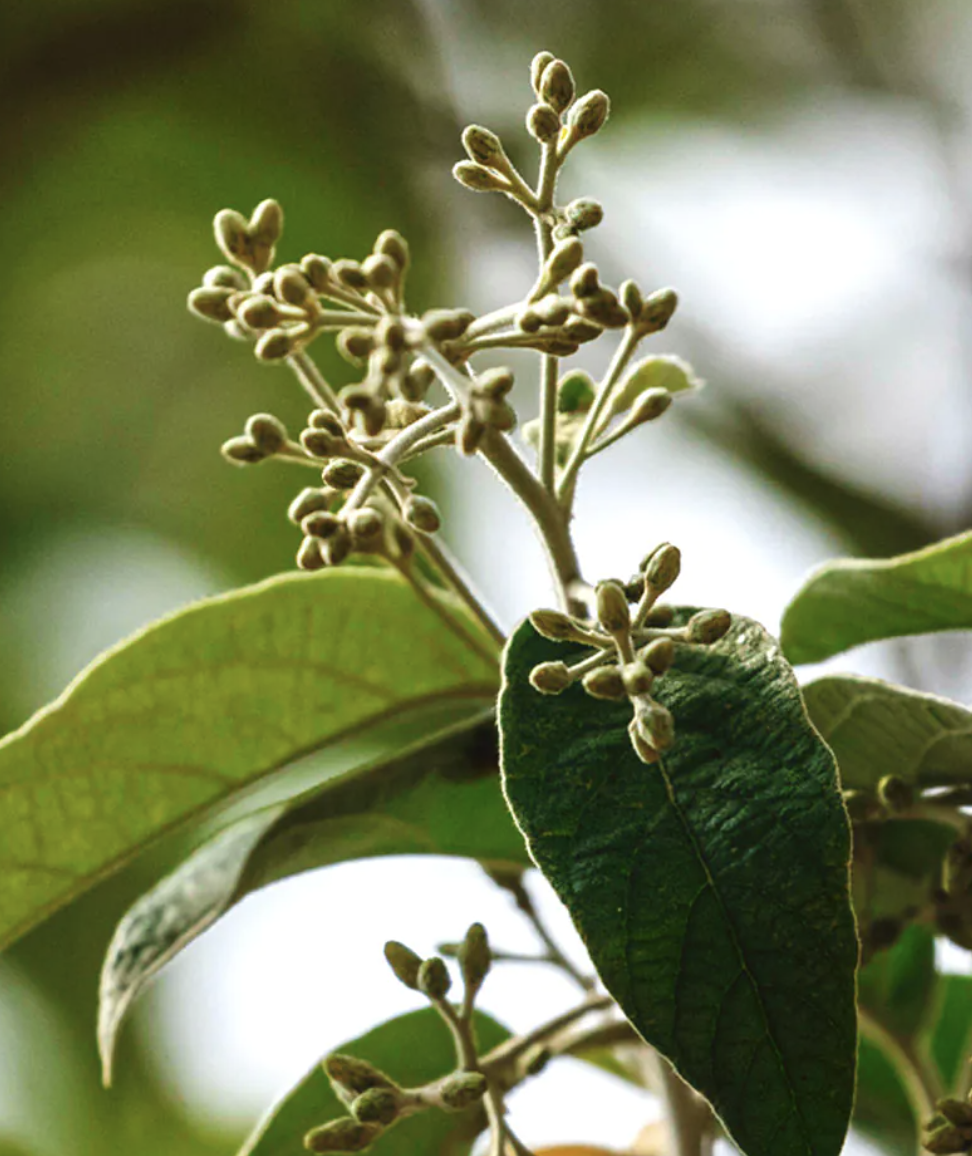
Bakuchiol comes from the seeds of the babchi plant, Psoralea corylifolia. It is the ingredient most often positioned as a gentler alternative to retinol. Bisabolol is a soothing oil, sourced mainly from the candeia tree or from German chamomile. One targets the look of fine lines and uneven tone. The other calms the skin.
What the Evidence Shows
A 2019 study in the British Journal of Dermatology followed 44 people for 12 weeks. Those using 0.5% bakuchiol cream twice daily saw wrinkle and pigmentation improvement that did not differ statistically from those using 0.5% retinol cream once daily. The retinol group reported more scaling and stinging. Bakuchiol is also not known to cause the sun sensitivity associated with retinol, though your customers should still wear sunscreen.
Bisabolol’s reputation rests on soothing irritated skin, and suppliers position it for after-shave and sun-exposed skin. Most of that evidence comes from supplier data and lab work, not large human trials. It can also increase how much of other ingredients the skin absorbs, which matters when you pair it with an active.
The Drawbacks
Be honest about the limits, because your customers will check. That trial was small, short, and tested creams, not oils. A 2024 review of human bakuchiol studies found a high risk of bias across much of the research, so claiming equivalence with retinol isn’t justified. Contact allergies to bakuchiol are rare but have been reported.
Bisabolol’s issue is sourcing. Most of it comes from the candeia tree, which has been harvested heavily from wild stands. Synthetic bisabolol is a different material, less potent than the plant-derived form and a poor fit for natural lines. Ask your supplier where yours comes from and get the documentation.
Where They Work Best
Both ingredients dissolve in oil, so anhydrous products are their natural home. Face oils and serums are the obvious fit. In body oils, bisabolol suits after-sun and post-shave formulas. Bakuchiol in body oils is an opportunity rather than a proven benefit, since the research so far is on facial skin.
Why Brands Should Consider Them
Customers who find retinol hard to tolerate are an audience worth designing for. A formula that pairs a bakuchiol active with a bisabolol soother lets you tell a plant-derived story, and it gives you a clear answer when a shopper asks what to use instead.
Keep your claims at the cosmetic level. “Visibly smoother-looking skin” is a reasonable direction. Implying retinol equivalence or a medical effect is not.
If you are considering a face serum or body oil built around these ingredients, we can help. Skincare by Marpac offers custom and stock formulas, including face serums and body oils, plus pilot runs so you can test a formula before committing to volume. Our facility is ISO 22716 GMP certified, and we are USDA organic certified.
Contact us to talk through your formulation.